Web development is one of the fastest-growing industries in the world, and staying ahead of the curve is crucial for anyone wanting to make a mark. As we move into 2026, there are several new trends and technologies shaping the future of web development. If you’re planning to build a career in web development or just want to upgrade your skills, now is the perfect time to focus on the essential skills that will make you stand out.
In this post, we’ll explore the top web development skills you need to master in 2026 to stay competitive in the industry. Whether you’re a beginner or an experienced developer, these skills will help you stay relevant and create cutting-edge websites and applications.
1. HTML5 and CSS3: The Foundation of Web Development
Why You Should Learn HTML5 and CSS3
HTML and CSS are the backbone of web development. HTML (HyperText Markup Language) provides the structure of a webpage, while CSS (Cascading Style Sheets) controls the layout and appearance. Even in 2026, these technologies remain essential for building modern websites.
Key Features of HTML5 and CSS3:
- Responsive Design: These allow websites to work seamlessly on all devices, from mobile phones to desktops.
- Multimedia Support: HTML5 supports video and audio elements, making it easier to embed rich content.
- Flexbox and Grid Layout: CSS3 introduces advanced layout systems like Flexbox and Grid, which are essential for creating dynamic and flexible designs.
Real-Life Example: Think about how websites today look great on mobile and desktop screens alike. That’s thanks to HTML5 and CSS3 technologies!
2. JavaScript and Front-End Frameworks
The Power of JavaScript
JavaScript remains the most popular programming language for web development. It enables you to make websites interactive by adding features like pop-ups, form validation, animations, and more. Learning JavaScript is a must if you want to be a successful front-end developer.
Front-End Frameworks:
In addition to plain JavaScript, there are several frameworks that make coding faster and easier:
- React.js: A library for building user interfaces, especially for single-page applications.
- Vue.js: Known for its simplicity and flexibility, Vue is great for building interactive UIs.
- Angular: A powerful framework for building dynamic web applications, especially on larger projects.
Real-Life Example: When you visit a website like Facebook or Twitter, the dynamic features you interact with are powered by JavaScript.
3. Back-End Development with Node.js and Python
Understanding Back-End Development
Back-end development involves working with servers, databases, and applications to make websites functional. In 2026, two of the most popular back-end technologies are Node.js and Python.
Why Learn Node.js?
Node.js is a JavaScript runtime that lets you build scalable server-side applications. It’s popular for creating real-time applications, such as messaging apps or online gaming platforms.
Why Learn Python?
Python is known for its simplicity and versatility. It’s widely used in data science, artificial intelligence, and web development. Frameworks like Django and Flask make Python a powerful tool for building secure, scalable web applications.
Real-Life Example: When you shop online, the website needs to handle your payment information, inventory updates, and more. This is all done through back-end technologies like Node.js or Python.
4. Database Management: SQL vs. NoSQL
The Importance of Databases
Databases are crucial for storing data on your website. As a developer, you need to be familiar with both SQL (Structured Query Language) and NoSQL databases to manage and retrieve data efficiently.
- SQL: Relational databases like MySQL and PostgreSQL are widely used in traditional web applications.
- NoSQL: Non-relational databases like MongoDB and CouchDB are perfect for handling unstructured data or when scaling applications.
Real-Life Example: When you log into an e-commerce website, the database stores your account details, order history, and shopping cart data.
5. API Integration
What Are APIs?
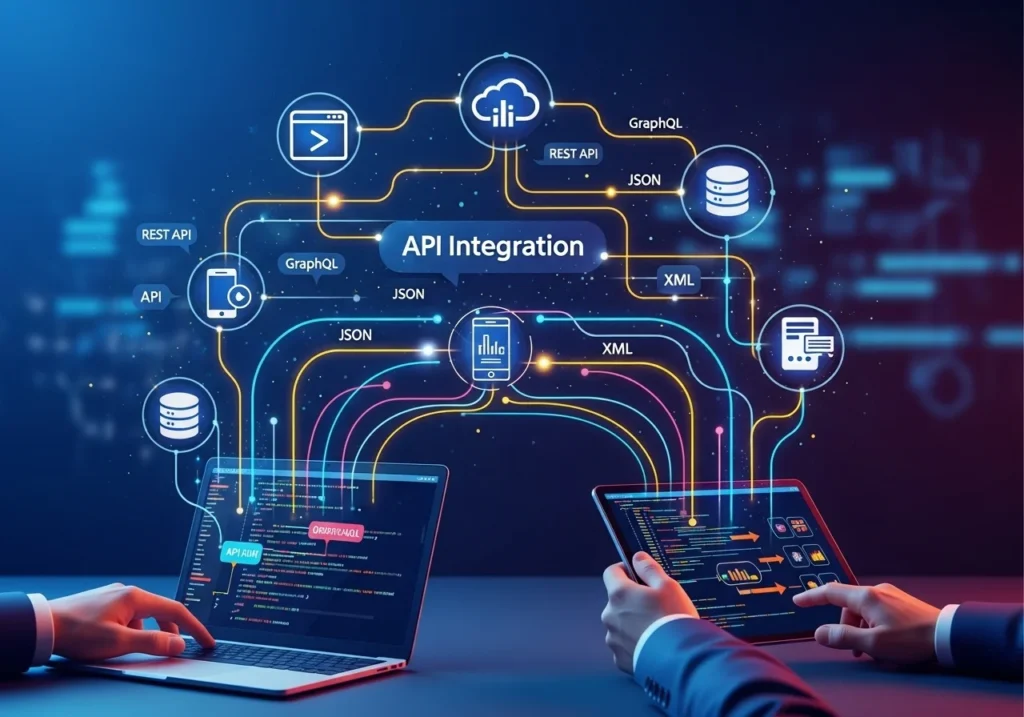
APIs (Application Programming Interfaces) allow different software systems to communicate with each other. In web development, you often need to integrate third-party APIs for functionalities like payment gateways, social media sharing, and maps.
Types of APIs:
- RESTful APIs: The most common type, designed to be lightweight and stateless.
- GraphQL APIs: An alternative to REST, allowing more flexible and efficient queries.
Real-Life Example: When you use Google Maps on a website, it’s integrated through an API, which fetches the map data for you in real-time.
6. DevOps and Version Control
The Role of DevOps in Web Development
DevOps is all about automating the processes between software development and IT operations. It helps developers create, test, and deploy software more efficiently. In 2026, DevOps will continue to be an essential skill for web developers.
Version Control with Git
Git is a version control system that allows you to track changes in your code and collaborate with other developers. Platforms like GitHub and GitLab are essential for working on team projects.
Real-Life Example: Have you ever contributed to a team project on GitHub? That’s Git in action, helping teams manage code changes and collaborate on web development projects.
7. Web Performance Optimization
Why Web Performance Matters
In 2026, performance is everything. Websites that load slowly are likely to lose visitors. Optimizing web performance is critical for user experience, SEO, and overall success.
Key Techniques for Performance Optimization:
- Lazy Loading: Only loading images and content when they’re needed.
- Minification: Compressing CSS, JavaScript, and HTML files to reduce file size.
- Content Delivery Networks (CDNs): Distributing website content across various servers worldwide to speed up load times.
Real-Life Example: Think of how fast Google or Amazon websites load. That’s the result of careful optimization and performance tuning.
8. Security Best Practices
Protecting Your Websites from Threats
Security is a huge concern in web development. As cyber threats become more sophisticated, developers need to stay updated on best practices to secure websites.
Key Security Practices:
- SSL/TLS Encryption: Secures communication between the browser and the server.
- Cross-Site Scripting (XSS) Prevention: Protects against malicious scripts that could be injected into websites.
- Authentication: Implementing strong authentication mechanisms like two-factor authentication (2FA).
Real-Life Example: When you enter your credit card details on an online shopping website, SSL encryption ensures your data is secure from hackers.
9. AI and Machine Learning in Web Development
The Future of AI in Web Development
AI and machine learning are transforming how websites work. Developers are using AI for things like chatbots, recommendation systems, and personalized experiences. As a web developer, understanding the basics of AI can give you a competitive edge.
Real-Life Example: When you visit an online store and get personalized product recommendations, that’s AI at work.
10. Cloud Computing and Web Development
What is Cloud Computing?
Cloud computing allows businesses to host their websites and applications on remote servers, ensuring scalability and flexibility. In 2026, more web developers will need to understand how to leverage cloud services like Amazon Web Services (AWS) and Microsoft Azure.
Real-Life Example: Think of a website that experiences heavy traffic during a sale. With cloud computing, the website can automatically scale to handle the surge in visitors.
Frequently Asked Questions (FAQs)
1. What is the most important skill in web development for 2026?
The most important skill for 2026 is JavaScript, especially with modern frameworks like React.js and Vue.js. This skill is crucial for front-end development and building interactive websites.
2. Should I learn both front-end and back-end web development?
Learning both front-end and back-end development is a great idea, especially if you want to become a full-stack developer. This skill set allows you to build both the user interface and the server-side of web applications.
3. How can I learn web development quickly?
The best way to learn web development quickly is by practicing regularly, building projects, and using online resources like tutorials, courses, and forums. Focus on HTML, CSS, JavaScript, and Git to start with.
4. What are the benefits of learning cloud computing for web developers?
Cloud computing helps web developers manage hosting, scalability, and performance. It allows your applications to grow seamlessly without worrying about infrastructure.
Conclusion
Web development is an exciting and ever-evolving field. With new technologies emerging every year, staying updated on the latest skills is essential for your career growth. Mastering these top web development skills in 2026 will help you build faster, more secure, and user-friendly websites, making you a valuable asset in the tech world.