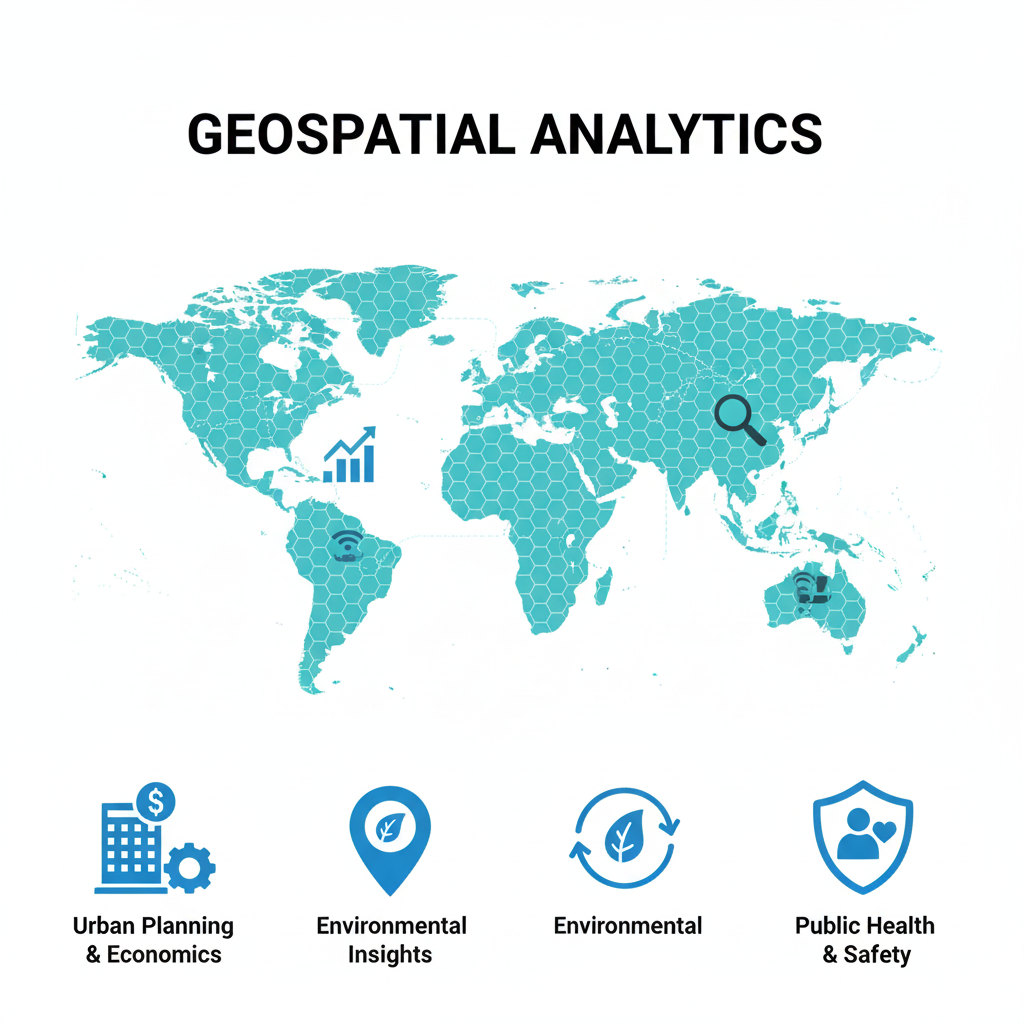
Geospatial Analytics is the strongest for general SEO as it clearly states the article’s value, uses high-intent keywords (“geospatial analytics,” “climate science,” “remote sensing”), and promises a actionable, informative read
Introduction: The Paradigm Shift to a Spatial Perspective
The complexity of modern environmental and climate challenges demands a holistic, systems-level approach. Geospatial Analytics provides this by moving beyond isolated data points to a continuous, spatial understanding of Earth’s processes. It is the discipline of gathering, displaying, and manipulating geographic information system (GIS) data, satellite imagery, remote sensing data, and other location-based information to model, visualize, and analyze real-world phenomena.
This paradigm is powered by an ecosystem of technologies:
- Remote Sensing: Capturing data about the Earth’s surface from satellites, aircraft, and drones using various segments of the electromagnetic spectrum.
- Global Positioning Systems (GPS): Providing precise location data for ground-truthing and tracking.
- Geographic Information Systems (GIS): The software and hardware backbone that allows for the storage, analysis, and visualization of spatial data.
- Spatial Statistics & Modeling: Advanced mathematical techniques to interpret patterns and relationships within geographic data.
The following sections provide a deep dive into five critical application areas, explaining not just what is done, but how it is accomplished with specific technical detail.
1. Precision Monitoring of Deforestation and Land Use Change
The Challenge in Detail: Deforestation accounts for roughly 10-15% of global greenhouse gas emissions. Beyond climate, it drives biodiversity extinction, soil erosion, and disrupts regional water cycles. Ground-based monitoring is logistically prohibitive and often dangerous in conflict zones or remote terrain, leading to data gaps and delayed responses.
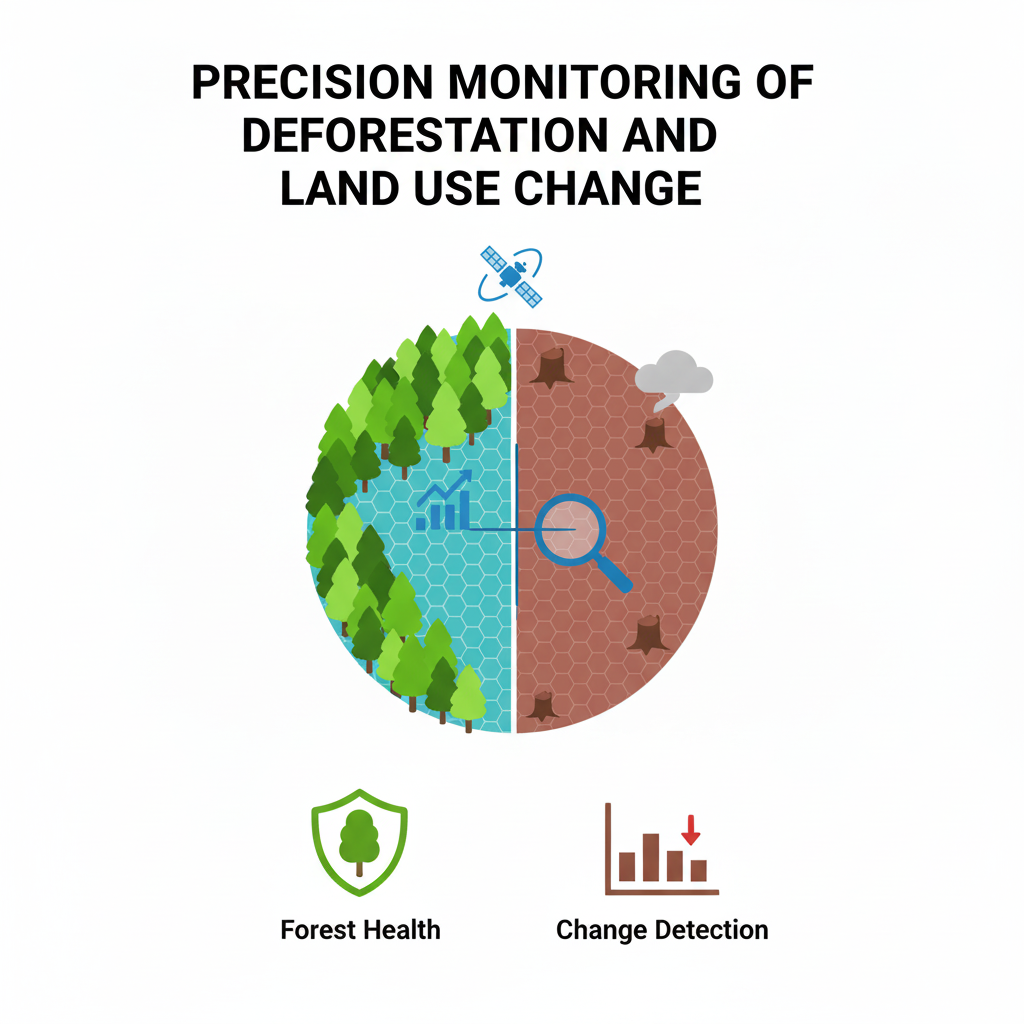
Detailed Geospatial Methodology:
- Data Sources:
- Optical Imagery (Landsat, Sentinel-2): Provide high-resolution visual and infrared data. The Normalized Difference Vegetation Index (NDVI) is a key metric derived from red and near-infrared light, indicating live green vegetation. A sudden drop in NDVI signals potential forest loss.
- Radar/SAR Imagery (Sentinel-1, ALOS PALSAR): Synthetic Aperture Radar (SAR) actively emits microwave signals, penetrating clouds and darkness. This is critical for monitoring in perpetually cloudy regions like the tropics. Radar backscatter signals can distinguish between forested (rough texture) and cleared (smooth texture) land.
- LiDAR (ICESat-2, GEDI): Light Detection and Ranging provides vertical structure data, measuring canopy height and estimating biomass and carbon stocks with high accuracy.
- Analytical Techniques:
- Time-Series Analysis: Platforms like Google Earth Engine allow analysts to run algorithms on petabyte-scale archives. A common method is to analyze every available image for a pixel over 20+ years to establish a baseline greenness trend. Any significant deviation from this trend triggers a deforestation alert.
- Machine Learning Classification: Supervised classification algorithms (e.g., Random Forest, Support Vector Machines) are trained on known examples of “forest,” “deforested land,” “agriculture,” etc. The model then classifies every pixel in a vast image, creating a land cover map. Change detection between maps from different years quantifies the exact area of loss.
- Spectral Unmixing: Pixels are often a mix of materials (e.g., tree, soil, shadow). Spectral unmixing algorithms can estimate the proportion of each “endmember” within a single pixel, allowing for the detection of partial or selective logging that might be missed by simpler methods.
- Advanced Applications:
- Attribution Analysis: By overlaying deforestation alerts with other spatial layers—land tenure, mining concessions, road networks, and commodity supply chain data—researchers can attribute the primary driver (e.g., cattle ranching, soy cultivation, illegal gold mining) with high confidence.
- Near-Real-Time (NRT) Alert Systems: Systems like GLAD (Global Land Analysis & Discovery) alerts on the University of Maryland’s Global Forest Watch platform process Sentinel-1 and Landsat data weekly, providing alerts often within 1-3 weeks of tree cover loss, enabling rapid law enforcement and response.
2. Tracking and Forecasting the Impacts of Extreme Weather Events
The Challenge in Detail: The increasing volatility of the climate system requires moving from disaster response to proactive risk management. The spatial scale of events like hurricanes and wildfires exceeds the capacity of any ground-based network for comprehensive assessment.
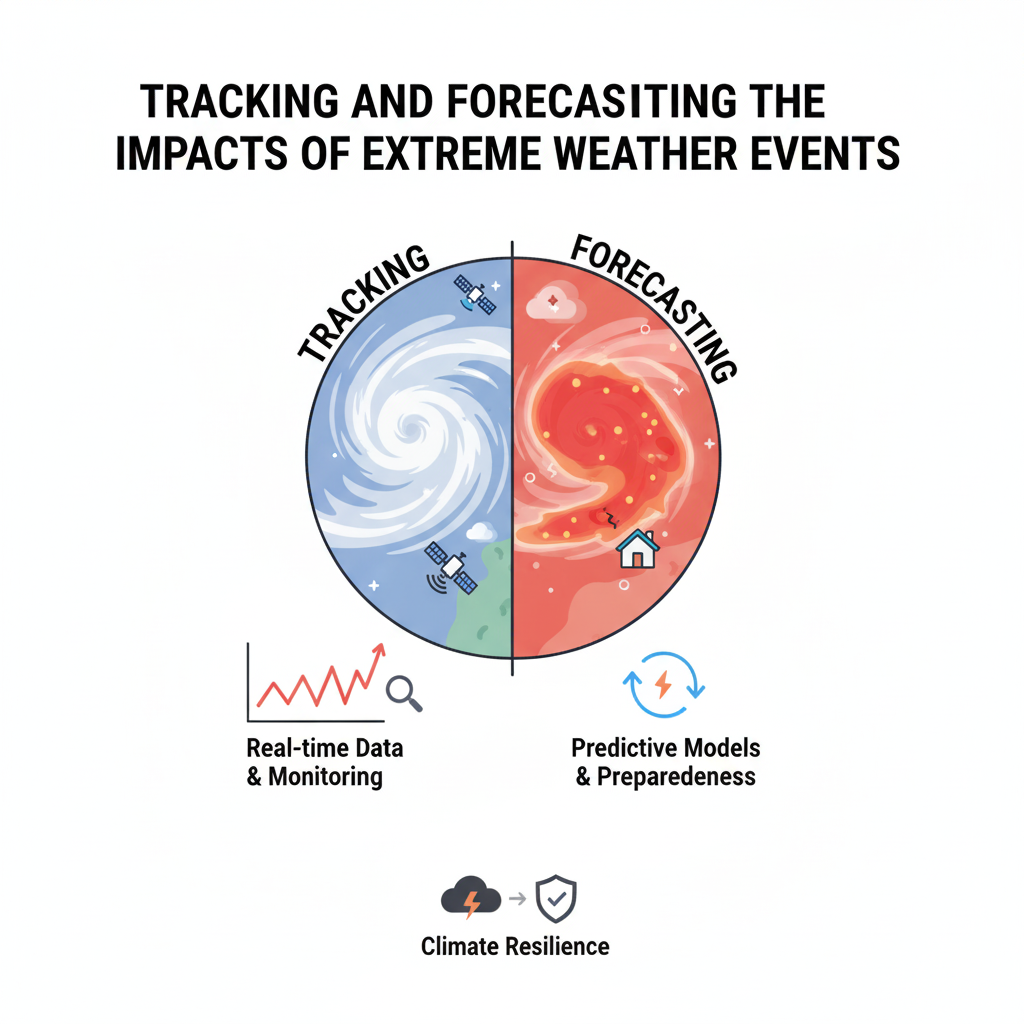
Detailed Geospatial Methodology:
- Data Sources:
- Meteorological Satellites (GOES, Himawari): Geostationary satellites provide continuous, high-frequency imagery (every 5-10 minutes) for tracking storm development, cloud motion, and fire hotspots.
- Radar & SAR for Floods (Sentinel-1): SAR is ideal for flood mapping as calm water acts as a specular reflector, sending the radar signal away from the sensor, resulting in a very dark pixel. By comparing a flood image to a pre-flood reference, the inundated area is automatically delineated.
- Thermal Infrared Sensors (MODIS, VIIRS): Detect heat anomalies (hotspots) indicative of active wildfires, even through smoke, at a coarse resolution multiple times per day.
- Digital Elevation Models (DEMs): High-resolution topographic data is essential for modeling water flow (hydrological modeling) and fire spread.
- Analytical Techniques:
- Hydrological & Hydraulic Modeling: To forecast flooding, Geospatial Analytics integrates rainfall forecasts with a DEM to create a “cartographic depth” model. Software like HEC-RAS uses this data to simulate water flow through river channels and across floodplains, predicting inundation extent and depth.
- Fire Spread Simulation: Models like FARSITE use Rothermel’s fire spread model. They ingest spatial data on fuel moisture (from satellites), slope and aspect (from DEMs), wind speed/direction (from weather models), and historical weather to simulate the progression of a fire front, providing critical intelligence for evacuation orders and resource deployment.
- Post-Event Damage Assessment with AI: Convolutional Neural Networks (CNNs), a type of AI, can be trained to compare pre- and post-event satellite imagery and automatically classify building damage as “destroyed,” “severely damaged,” or “intact” at a city-wide scale in a matter of hours, a task that would take human analysts weeks.
- Advanced Applications:
- Compound Event Analysis: Geospatial Analytics is crucial for studying compound hazards, such as a drought followed by a wildfire, followed by heavy rain causing landslides and mudslides on the newly destabilized soil. Modeling the spatial interplay of these events is key to understanding cascading risks.
- Climate Attribution Studies: By combining long-term climate model data with observed event data in a spatial framework, scientists can quantify the extent to which climate change increased the likelihood or intensity of a specific extreme event.
3. Quantifying Glacial Retreat and Sea-Level Rise
The Challenge in Detail: The cryosphere responds sensitively to temperature changes, and its meltwater directly contributes to sea-level rise, threatening hundreds of millions of coastal dwellers. The vast, harsh environments of polar and alpine regions are inaccessible for continuous measurement.
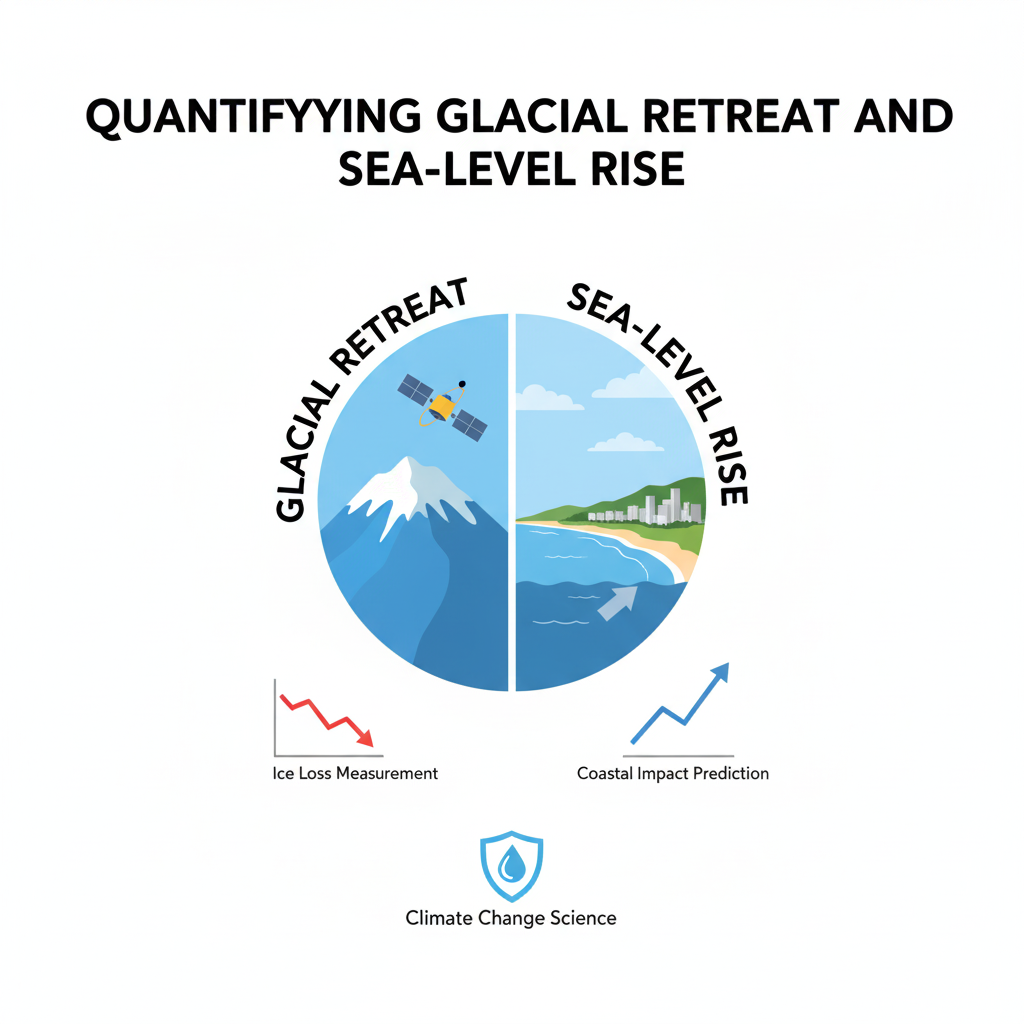
Detailed Geospatial Methodology:
- Data Sources:
- Optical Stereo-Imagery (ASTER, Pléiades): By comparing two images of the same glacier taken from slightly different angles, highly accurate Digital Elevation Models (DEMs) can be created. Comparing DEMs from different years reveals surface lowering or thickening (glacial mass balance).
- Satellite Altimetry (ICESat-2, CryoSat-2): These satellites use lasers (lidar) or radar to measure the precise height of the ice surface. Repeated passes over the same track show changes in elevation over time, directly indicating mass loss or gain.
- Gravimetry (GRACE/GRACE-FO): These twin satellites measure changes in Earth’s gravity field. Since gravity is directly related to mass, a loss of ice mass from Greenland or Antarctica results in a measurable decrease in gravity over that region. This provides the most direct measure of total ice sheet mass balance.
- SAR for Glacier Velocity (Sentinel-1): Using a technique called interferometry (InSAR), the velocity of a flowing glacier can be measured by tracking the movement of surface features between two radar images.
- Analytical Techniques:
- Terminus Delineation: Glaciologists manually or automatically digitize the calving front of a glacier on sequential satellite images. The rate of retreat (meters per year) is calculated by comparing these positions over time.
- Geodetic Method for Mass Balance: This is the most common method using DEMs. The volume change of a glacier (difference between two DEMs) is multiplied by the density of ice/firn to convert it into a mass change. This provides a direct measure of the glacier’s contribution to sea-level rise.
- Sea Level Budget Closure: Geospatial Analytics allows scientists to combine data from various sources—satellite altimetry (sea surface height), GRACE (mass change from ice sheets and glaciers), and Argo floats (thermal expansion of the ocean)—to “close the budget,” ensuring the observed sea-level rise matches the sum of the known contributors.
- Advanced Applications:
- Subglacial Hydrology Mapping: Radar can penetrate ice, and by analyzing the bed echo, scientists can map subglacial lakes and water channels. The movement of this water lubricates the ice-bed interface, influencing glacier flow speed and stability, a critical factor for predicting future sea-level rise.
- Ice Shelf Stability Monitoring: InSAR is used to map crevasses and rifts on floating ice shelves. Tracking the propagation of these rifts allows glaciologists to predict massive calving events (the break-off of icebergs) that can destabilize the entire ice shelf and the grounded ice behind it.
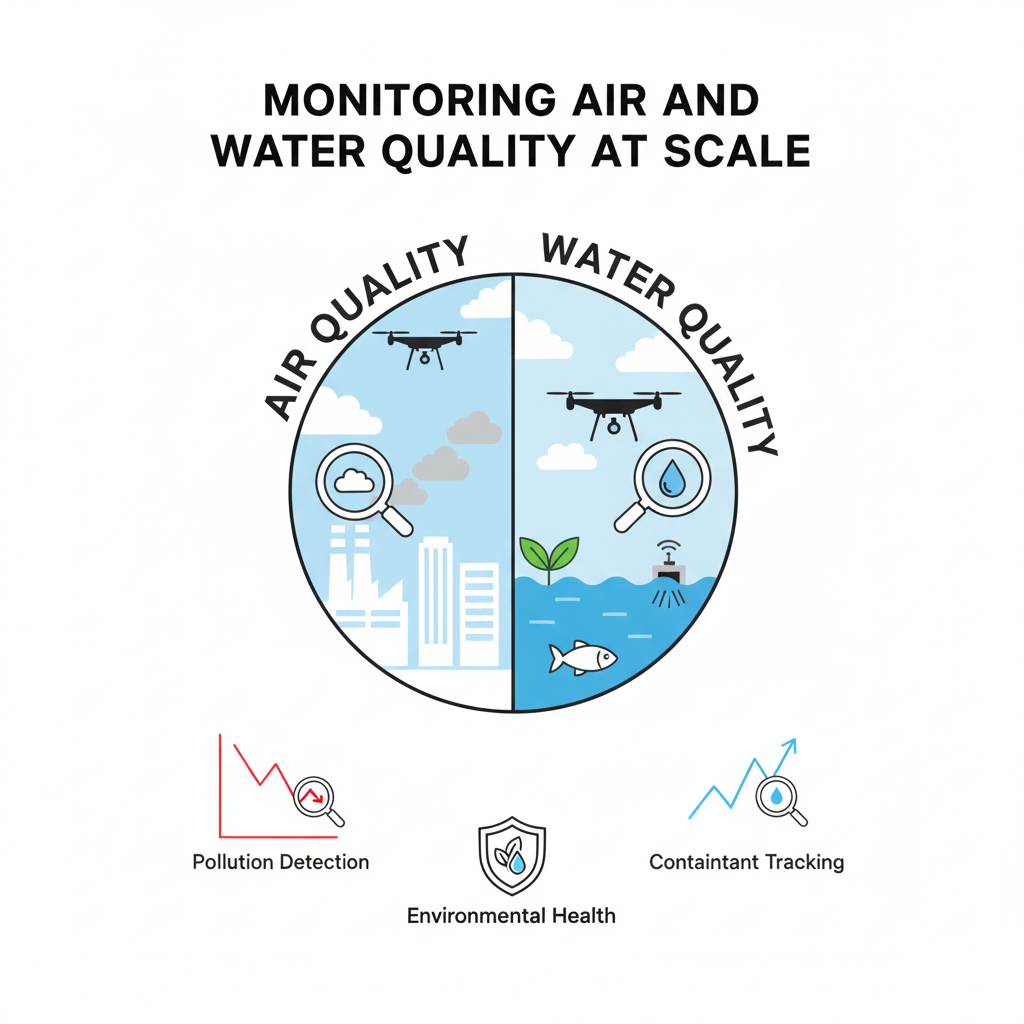
4. Monitoring Air and Water Quality at Scale
The Challenge in Detail: Pollution is a transboundary issue with severe health and ecological consequences. Ground monitoring stations are sparse and unevenly distributed, creating significant data deserts, especially in developing regions and over the oceans.
Detailed Geospatial Methodology:
- Data Sources:
- Atmospheric Spectrometers (Sentinel-5P/TROPOMI, OMI): These instruments measure specific wavelengths of sunlight backscattered by the Earth’s atmosphere. Each gas (NO₂, SO₂, O₃, CO, CH₄) has a unique absorption fingerprint, allowing for the calculation of its total vertical column density in the atmosphere.
- High-Resolution GHG Sensors (GHGSat, PRISMA): Commercial and public satellites with enhanced spectral resolution can pinpoint individual methane plumes from oil and gas infrastructure, allowing for the quantification of emission rates from specific facilities.
- Ocean Color Sensors (Sentinel-3/OLCI, MODIS): These sensors measure the color of the ocean, which changes due to the presence of phytoplankton (chlorophyll-a), suspended sediments, and dissolved organic matter.
- Analytical Techniques:
- Atmospheric Retrieval Algorithms: Complex physical models are used to convert the raw radiance data measured by the satellite into concentrations of trace gases. This involves accounting for atmospheric pressure, cloud cover, surface albedo, and aerosol interference.
- Plume Detection and Quantification: For point sources like methane leaks, algorithms identify concentrated plumes downwind of a source. Using wind speed data and the integrated mass enhancement of the plume, the emission flux rate (e.g., kilograms per hour) can be calculated.
- Bio-optical Algorithms for Water Quality: Empirical or semi-analytical algorithms are used to relate the water-leaving radiance measured by the satellite to in-water constituents. For example, chlorophyll-a concentration, a proxy for algal blooms, is derived from ratios of blue and green light bands.
- Advanced Applications:
- Exposure Assessment for Epidemiology: Geospatial Analytics is used to create high-resolution, continuous surfaces of PM2.5 and NO₂ by combining satellite data with ground monitors and land use data (e.g., proximity to roads, industrial areas). These surfaces are then used in population health studies to link long-term pollutant exposure to respiratory and cardiovascular diseases.
- Tracking Harmful Algal Blooms (HABs): Satellites can detect the unique spectral signature of cyanobacteria (blue-green algae). By monitoring bloom initiation, extent, and transport, Geospatial Analytics provides early warning to water treatment plants and recreational authorities, helping to prevent public health crises.
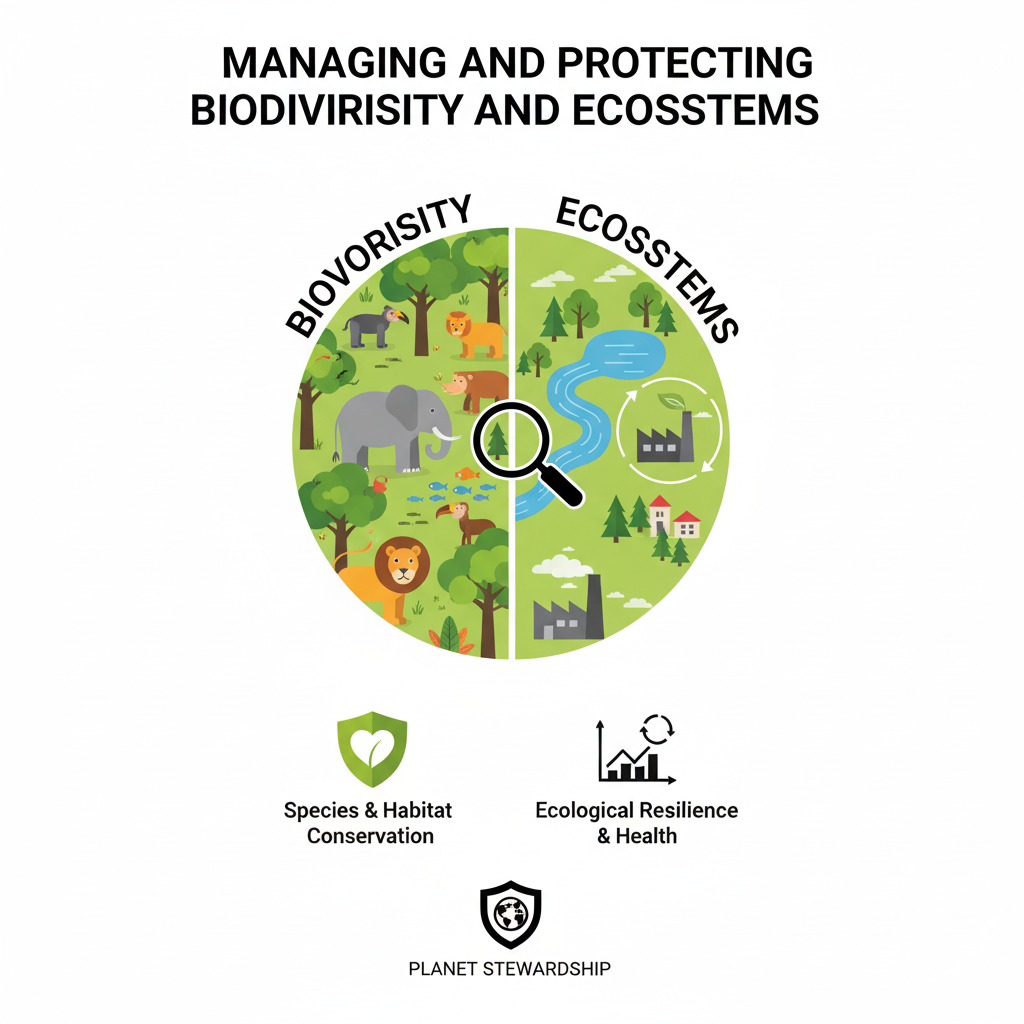
5. Managing and Protecting Biodiversity and Ecosystems
The Challenge in Detail: The Sixth Mass Extinction is characterized by rapid habitat loss and fragmentation. Conservation resources are limited and must be allocated strategically to protect the most critical areas for biodiversity and ecosystem services.
Detailed Geospatial Methodology:
- Data Sources:
- Very-High-Resolution Imagery (WorldView, Planet): Provides sub-meter detail necessary for identifying individual tree species, counting animal populations (in open habitats), and mapping small-scale habitat features.
- Hyperspectral Imagery (PRISMA, EnMAP): Captures hundreds of narrow spectral bands, allowing for detailed discrimination between plant species based on their unique chemical signatures (e.g., leaf chemistry, water content).
- Acoustic Sensors & Telemetry: While not satellite-based, the locations of tagged animals (from GPS collars) and the data from acoustic monitors are integrated and analyzed within a GIS framework, making them a core component of spatial ecology.
- Analytical Techniques:
- Species Distribution Models (SDMs): Also known as ecological niche models, these use statistical methods (e.g., MaxEnt) to find the relationship between species occurrence points and environmental predictors (bioclimatic variables, land cover, topography). The model then predicts the probability of species presence across the entire landscape, including in unsurveyed areas.
- Landscape Metrics: Using classified land cover maps, FRAGSTATS and other software calculate metrics like:
- Patch Size and Core Area: Larger patches support more species.
- Edge Effect: The amount of habitat influenced by its boundary.
- Connectivity: The ease with which species can move between habitat patches. Circuitscape software models connectivity as an electrical circuit, identifying key corridors.
- Marxan Spatial Prioritization Software: This decision-support tool is used globally to design protected area networks. It ingests data on species distributions, habitat types, and human costs, then identifies the most efficient set of parcels to meet specific conservation targets (e.g., protect 30% of each habitat type) at the lowest total cost.
- Advanced Applications:
- Climate Resilience Planning: SDMs can be projected under future climate scenarios to predict how species’ ranges might shift. This allows conservationists to identify and protect “climate refugia”—areas that are expected to remain suitable—and plan for assisted migration.
- Ecosystem Service Mapping: Geospatial Analytics quantifies and maps the benefits nature provides to people, such as carbon storage (using biomass maps), water purification (using watershed and land cover models), and coastal protection (by modeling the role of mangroves and coral reefs in wave attenuation).
Conclusion:
The profound depth and breadth of these methodologies underscore a fundamental truth: Geospatial Analytics is far more than just making maps. It represents a paradigm shift from static cartography to a dynamic, rigorous, and quantitative science. While a map is a single output, a static snapshot, the discipline of Geospatial Analytics encompasses the entire data lifecycle—from the acquisition of raw satellite and sensor data to its processing, statistical interpretation, and predictive modeling.
This field is the engine that transforms trillions of raw pixels into a coherent, evidence-based understanding of our world. The practice of Geospatial Analytics provides the multi-dimensional, temporal, and scalable evidence base required to diagnose the health of our planet during the Anthropocene. It is this capacity for turning observation into quantifiable, actionable intelligence that defines the power of modern Geospatial Analytics.
The unique strength of this evidence base lies in its integrated nature. The field of Geospatial Analytics is inherently multi-dimensional, weaving together not just latitude and longitude, but also spectral, temporal, and thematic data layers to create a rich, multi-faceted view of any environmental challenge.
Furthermore, the power of Geospatial Analytics is rooted in its temporal capability, allowing scientists to move beyond single snapshots to analyze decades of historical data and monitor change in near-real-time. The scalable nature of Geospatial Analytics means that the same core principles used to model a local watershed can be applied to understand continental-scale climate patterns, making it a universally applicable framework. This robust, data-driven foundation is what makes Geospatial Analytics an indispensable tool for building a sustainable future.
Acting as a unifying lens, the practice of Geospatial Analytics seamlessly integrates disparate scientific disciplines. It is at the confluence of physics, statistics, ecology, and computer science, providing a common platform for collaboration. The interdisciplinary nature of Geospatial Analytics allows researchers to move beyond siloed knowledge, creating a holistic narrative that connects human activity to environmental impact.
This integrative power is a cornerstone of effective Geospatial Analytics, enabling a comprehensive approach to problem-solving that is greater than the sum of its parts. The application of Geospatial Analytics is therefore critical for tackling systemic challenges that span ecological, social, and economic domains.
The ultimate value proposition of this integrated approach is a critical progression from observation to action. The sophisticated science of Geospatial Analytics enables us to move beyond simply seeing a problem to precisely measuring its scale, accurately modeling its future trajectory, and ultimately informing effective mitigation strategies.
This end-to-end capability is the hallmark of advanced Geospatial Analytics. It is this very progression—powered by the relentless innovation within the field of Geospatial Analytics—that transforms raw data into policies that protect forests, early-warning systems that save lives, and conservation strategies that preserve biodiversity. The strategic implementation of Geospatial Analytics is what bridges the gap between scientific discovery and tangible, on-the-ground outcomes.
As we look to the future, the role of Geospatial Analytics will only become more central. Advancements in sensor technology and the proliferation of artificial intelligence are not replacing Geospatial Analytics; they are supercharging it. These technologies are automating complex analyses and providing ever-more granular data, further expanding the frontiers of what is possible with Geospatial Analytics. The visionary goal of creating a “Digital Twin” of the Earth—a high-fidelity, dynamic model of our planet’s systems—is entirely dependent on the continued evolution of Geospatial Analytics.
Therefore, the discipline of Geospatial Analytics is not merely a supporting tool; it is an indispensable strategic compass, providing the critical intelligence and navigational guidance required for humanity to chart a course toward a resilient and sustainable future. The continued advancement and application of Geospatial Analytics will be a defining factor in our ability to understand and steward the Earth for generations to come.